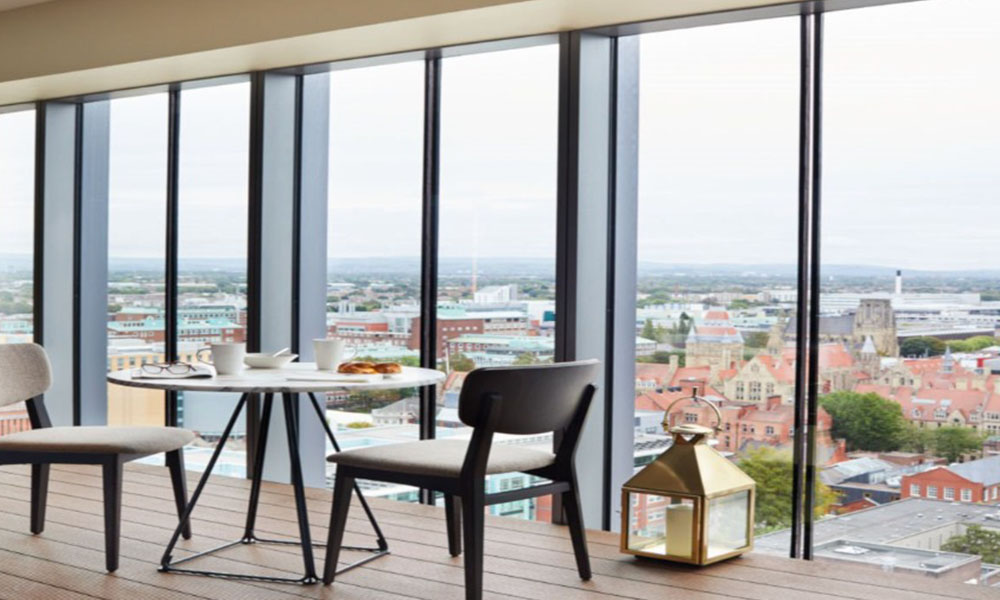
A Space Where Functionality, Style, and Privacy Work Together
- compact storage systems that maintain order without occupying excess space
- multifunctional furniture that adapts to different scenarios
- lighting layers that shape mood and visibility simultaneously
- neutral base colors that support visual balance and personal accents
Design That Serves Daily Needs Without Visual Noise
A well‑designed living space begins with functionality that does not demand attention yet supports every routine. Furniture placement must allow free movement, and storage should be integrated in a way that eliminates clutter. When the essentials are accessible without dominating the room, the environment feels calm and efficient. Thoughtful ergonomics also reduce unnecessary actions, making the space naturally intuitive. Functionality becomes a silent framework that shapes comfort through precision rather than excess.
Style That Enhances Atmosphere Instead of Competing With It
Style plays its role when it strengthens the identity of the space without overwhelming its purpose. Visual accents—textures, colors and materials—must support the room’s rhythm, not distract from its usability. As hotel expert Marek Wójcik explains, “Dobrze zaprojektowana przestrzeń powinna prowadzić użytkownika w sposób naturalny, tak aby wszystko było czytelne i intuicyjne, podobnie jak w platformach do gier, gdzie układ i estetyka wpływają na odbiór, jak w https://milkywaycasino.pl/pl/.” A carefully chosen palette creates continuity and prevents visual fragmentation. Balanced decoration highlights the room’s structure rather than masking it. The result is a cohesive aesthetic where style acts as an extension of thoughtful planning.
Core Elements That Merge Practicality and Aesthetics
When functionality and style operate together, they rely on specific structural decisions. Key components often include:
These elements work as a single mechanism, forming a practical yet visually coherent living environment. Their interaction ensures that no part of the space feels unnecessary or disconnected. Each choice contributes to both comfort and clarity.
The Role of Privacy in Shaping User Experience
Privacy is more than the ability to close a door—it is the sense of personal territory that protects focus and relaxation. In a well‑planned space, private areas are shielded from excessive visibility and noise. Smart zoning separates rest, work and social areas without rigid partitions. This structure allows individuals to manage their attention and energy without disruption. Privacy creates a mental buffer that defines the character of the home as a secure environment.
Balancing Openness With Personal Boundaries
A space becomes genuinely comfortable when openness and privacy coexist without conflict. Transparent transitions between rooms allow continuity, while targeted screening elements preserve intimacy. For example, partial walls or textile dividers maintain flow while shaping protected corners. This balance ensures that the home feels spacious yet never exposed. The relationship between open and closed areas becomes a tool for psychological comfort.
The Long‑Term Impact of a Well‑Composed Living Space
When functionality, style and privacy are aligned, the space supports long‑term habits that improve daily life. A structured environment reduces decision fatigue and minimizes distractions. Personal tasks become easier to manage because the surroundings react predictably to routine. At the same time, the visual harmony of the space stabilizes mood and strengthens the feeling of belonging. Over time, this balance forms a living system that adapts to new needs without losing coherence.
A Unified Space Built on Intentional Decisions
A harmonious interior emerges from decisions that consider practical behavior, visual identity and personal boundaries equally. Functionality gives the home its structure, style gives it character, and privacy gives it depth. When these components work together, they create a living environment that supports productivity, rest and emotional clarity. The result is a space that feels purposeful and complete—an environment shaped not by trends, but by the real needs of the people who inhabit it.