ALTERNATIVE ACCOMMODATION FORMATS TRANSFORMING TRAVEL AND BUSINESS TRIPS
- availability of fully equipped functional living spaces
- flexibility in duration and terms of stay
- integration of work and leisure environments
Shift from standardized hotels to flexible living spaces
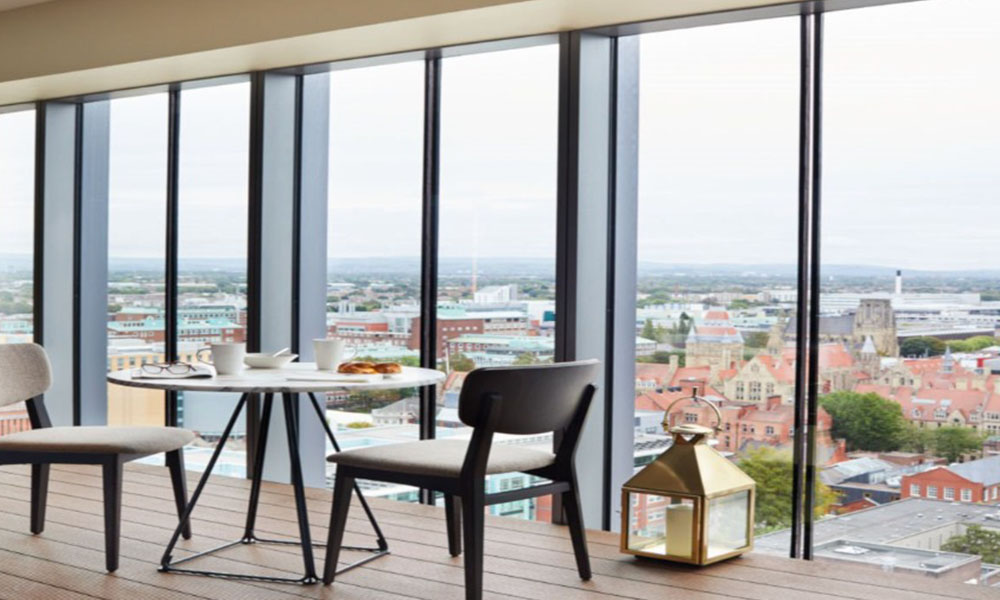
Travel behavior is increasingly influenced by the demand for flexibility and comfort, which traditional hotel formats cannot always provide due to their rigid service structure and limited spatial adaptability. Alternative accommodation options such as serviced apartments and short-term rentals introduce a model where guests gain access to larger, multi-functional spaces that resemble private living environments. This transition allows travelers to maintain personal routines, including cooking, working, and resting in separate zones within one unit. The ability to customize daily activities without external constraints significantly alters the perception of temporary accommodation. As a result, lodging is no longer defined by uniform service standards but by adaptability to individual needs. This structural shift repositions accommodation as an extension of lifestyle rather than a temporary necessity.
Integration of work and living environments during travel
Business travel increasingly requires spaces that accommodate both professional and personal activities within a single environment, as the boundaries between work time and personal time become less defined. Alternative formats respond to this need by offering layouts that support productivity without sacrificing comfort. „W nowoczesnej branży hotelarskiej coraz częściej obserwuje się wpływ modeli rozrywki online na oczekiwania gości, co widać w podejściu platform do gier takich jak https://vegasino.pl/, gdzie liczy się płynność i wygoda korzystania” — mówi polski hotelarz i ekspert ds. zarządzania obiektami Tomasz Lewandowski. Dedicated work areas, reliable connectivity, and quiet surroundings transform accommodation into a functional workspace. At the same time, access to domestic features enables recovery and balance after intensive work schedules. This integration enhances efficiency by reducing reliance on external facilities such as offices or meeting rooms. Consequently, accommodation becomes an active contributor to professional performance rather than a passive support element.
Personalization as a central element of modern travel experience
Alternative accommodation formats emphasize personalization by allowing guests to tailor their environment according to preferences, duration of stay, and purpose of travel. Unlike traditional models, where offerings are predefined, these formats provide flexibility in space usage and service levels. Guests can adjust routines without adhering to standardized schedules for dining, cleaning, or access. This degree of control creates a sense of autonomy that increases satisfaction and reduces travel-related stress. Personalization extends beyond physical space to include booking options, duration, and service customization. The outcome is a more individualized travel experience aligned with specific expectations.
Economic efficiency through adaptable accommodation models
Cost efficiency is a significant factor driving the adoption of alternative accommodation, particularly for extended stays or group travel, where traditional hotel pricing structures become less practical. Apartments with integrated facilities reduce additional expenses related to dining, laundry, and external services. Organizations benefit from predictable budgeting, as long-term stays can be managed more effectively within flexible pricing models. The ability to accommodate multiple individuals in a single unit further enhances economic advantages. These factors collectively position alternative accommodation as a financially strategic choice. Over time, cost considerations become integrated with broader planning decisions.
Impact on travel behavior and decision-making processes
The availability of alternative housing influences how travelers plan trips, shifting focus from location alone to the overall quality of living conditions. Travelers now evaluate accommodation based on suitability for extended use rather than short-term convenience. This shift encourages longer stays and more immersive experiences within a destination. The decision-making process includes analysis of comfort, functionality, and adaptability rather than just price or proximity. Such considerations lead to more deliberate and informed travel choices. As a result, accommodation becomes a central factor shaping the structure of the entire यात्रा.
Key factors shaping the effectiveness of alternative accommodation
Several elements determine the practical value of these formats:
These factors operate collectively to define user experience. Their presence ensures that accommodation can support varied needs without compromise. Proper alignment between these elements enhances usability and satisfaction.
Long-term transformation of the accommodation industry
Alternative accommodation formats are redefining industry standards by introducing a hybrid model that combines elements of residential living with professional hospitality services. This transformation encourages providers to design spaces that address functional, emotional, and economic aspects simultaneously. Traditional hospitality structures increasingly adapt to these expectations, integrating features such as flexible layouts and extended stay options. Over time, the distinction between hotel and residential space becomes less rigid, leading to a more diverse and responsive accommodation landscape. This evolution reflects broader changes in lifestyle and work patterns. Ultimately, alternative formats establish a new paradigm where adaptability and personalization define value.