Guide to Manchester: Where to Go When Staying in the City Centre
- For culture: Manchester Art Gallery, HOME Manchester
- For shopping: Market Street, Arndale Centre
- For atmosphere: Northern Quarter lanes, Stevenson Square
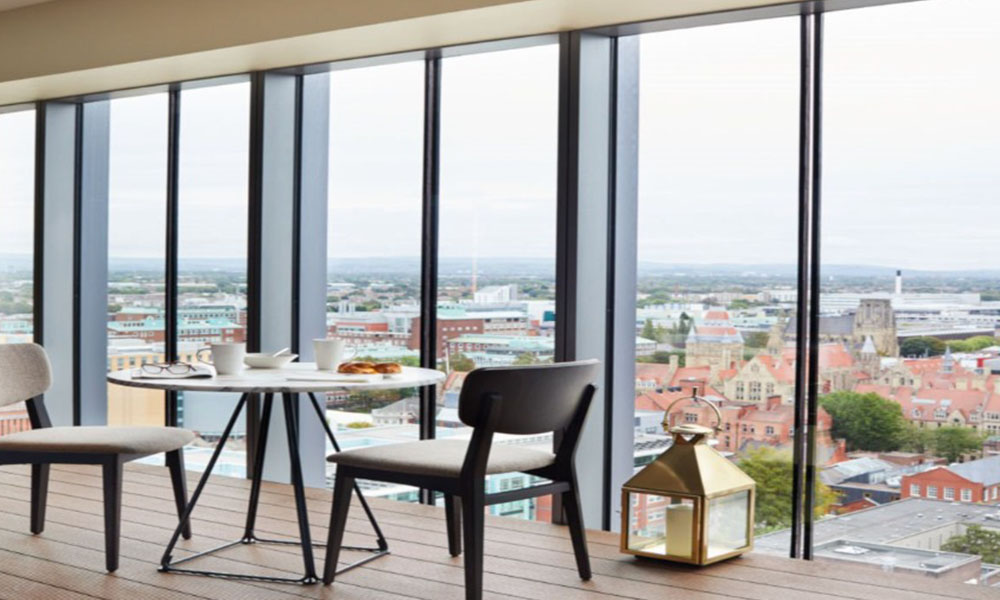
- For city views: Deansgate area and surrounding high streets
Manchester’s city centre is compact, walkable, and full of places that combine cultural depth with modern energy. Staying here gives you immediate access to landmarks, creative districts, and varied entertainment — all within minutes. This guide outlines the key areas worth exploring and highlights what makes each direction of your walk meaningful and practical for a short or extended stay.
Northern Quarter
The Northern Quarter is the city’s creative core. Independent shops, street art, and a dense network of cafés make it ideal for those who prefer atmosphere over predictable chains. The area’s appeal lies in contrast: small record stores neighbour modern galleries, and quiet daytime streets turn into busy evening hubs. Exploring the district on foot gives a clear sense of Manchester’s urban identity — expressive, layered, and firmly community-led. For visitors staying in the centre, it’s the fastest way to understand the city’s character without leaving a tight radius, and those who prefer to unwind digitally after walking the neighbourhood can turn to the entertainment offered by the gaming platform https://bj88-gb.uk/, which provides a convenient way to relax without leaving their accommodation.
Piccadilly and Surrounding Streets
Piccadilly acts as a functional anchor of the centre. Major transport connections start here, but the value for a visiting guest goes beyond convenience. The area offers structured routes leading to retail zones, green pockets, and museums. Walking toward Piccadilly Gardens provides an immediate shift from commercial to open spaces, while nearby streets connect directly to restaurants and cultural venues. It’s a practical area to navigate when planning multi-stop days.
Canal Walks and Urban Routes
Manchester’s canal paths provide a quieter alternative to the main streets. These routes introduce an unexpected side of the city: industrial architecture, converted warehouses, and long stretches suitable for uninterrupted walking. The canals serve as both recreational paths and direct connections between neighbourhoods. This is a good option for visitors who want a visually diverse route without straying too far from the centre. The mix of water views, historic structures, and modern developments creates a balanced backdrop for exploring at your own pace.
Key Spots Worth Prioritising
To make navigation easier, here is a simple grouped list of destinations suitable for a short stay:
Each point offers a different type of experience, making them useful reference markers when planning your walking routes.
Deansgate and Spinningfields
Deansgate is one of the city’s longest and busiest streets, with direct access to prominent buildings and cultural institutions. Its value for visitors lies in the variety of experiences within one continuous stretch. Moving toward Spinningfields, the scenery becomes modern and structured: glass-fronted offices, curated public squares, and high-end dining. This contrast makes the area especially appealing for evening plans, where clean lines and organised space replace the centre’s more eclectic streets.
Food and Evening Options
Staying in the centre makes evening planning straightforward. Dining options range from small international kitchens to contemporary restaurants, and most are within a short walk of the main squares. The advantage of the central location is flexibility — you can choose a quiet dinner, move toward busier streets, or simply explore without committing to a fixed plan. The density of venues means you will rarely need transportation to reach what you’re looking for.
Conclusion
Manchester’s city centre is designed for direct exploration: compact districts, continuous walking routes, and clear thematic zones make navigation intuitive. Staying centrally allows visitors to experience several sides of the city in a short timeframe — from creative areas and cultural institutions to calm canal paths and structured business districts. The key advantage is variety within close range, ensuring that each day offers new directions without logistical complexity.