How Neighborhood Shapes Travel Experience and Living Comfort
- Proximity to public transport hubs and stations
- Walkability to restaurants, shops, and services
- Clear street layout and navigation simplicity
- Traffic density and congestion patterns
Location as the Core of Perception
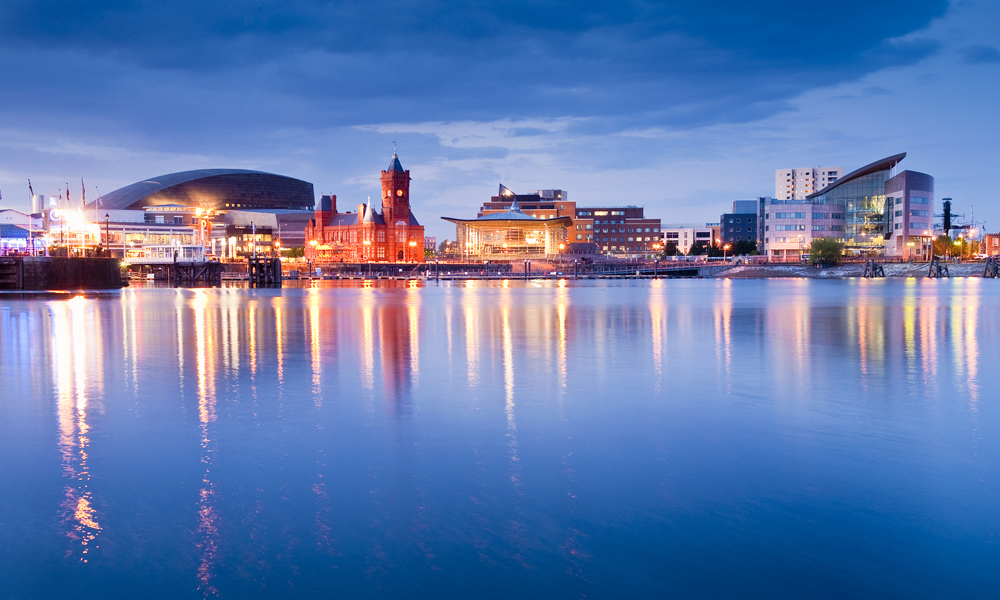
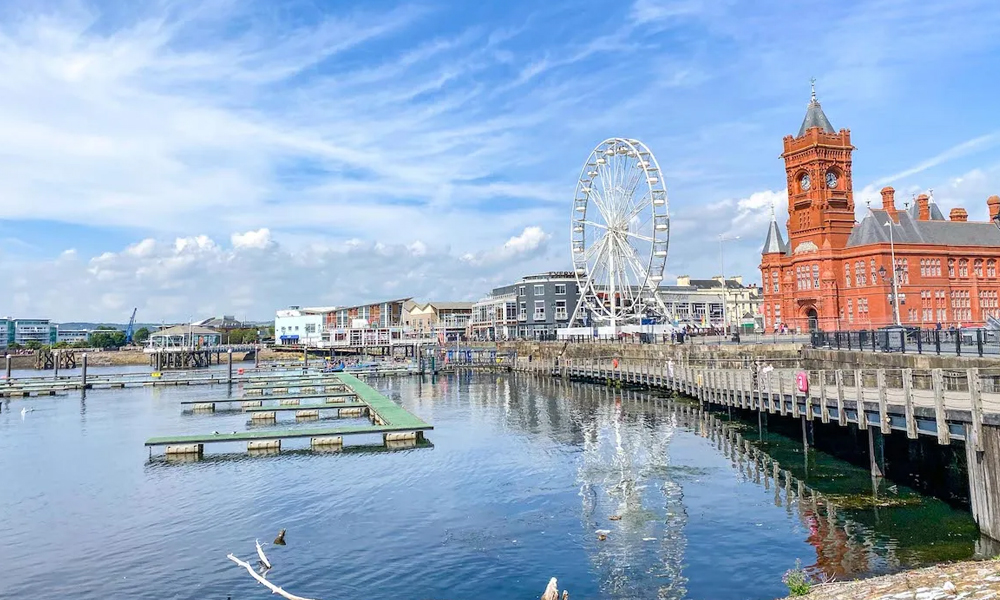
Accommodation quality is often judged through interior design, amenities, or service level, but the surrounding neighborhood has a stronger long-term impact. The same apartment can feel completely different depending on whether it is placed in a quiet residential area, a busy commercial district, or a waterfront zone with structured urban planning.
Guests usually form their strongest impressions outside the accommodation itself. The first walk from the entrance, access to transport, nearby streets, and general atmosphere define comfort more than internal features. This external layer becomes the framework for the entire stay, similar to how structured online environments shape user expectations in entertainment-focused platforms where flow, pacing, and engagement design matter; in the same way, platforms such as lucky mister reflect how layout and interaction rhythm can influence how people perceive comfort and usability during use.
Daily Rhythm and Environmental Influence
Every neighborhood has its own rhythm. Some areas are active throughout the day with continuous movement, while others slow down significantly in the evening. This rhythm directly affects sleep quality, stress levels, and the ability to relax.
A well-balanced district provides both energy and calmness depending on the time of day. Excessive noise, unpredictable crowds, or lack of nighttime structure can reduce comfort even if the accommodation itself meets high standards.
Accessibility and Movement Efficiency
Ease of movement is one of the most practical aspects of location. Travelers rely on predictable access to transport, walking routes, and essential services. A well-connected area reduces time spent planning and increases flexibility during the stay.
Key elements that influence movement efficiency include:
When these elements are aligned, the overall experience becomes smoother and less mentally demanding.
Safety Perception and Mental Comfort
Safety is not only about actual statistics but also about perception. Well-lit streets, visible activity, and organized public spaces create a sense of stability. Even short walks feel more comfortable when the environment appears structured and predictable.
On the other hand, unclear surroundings or poorly maintained areas increase mental tension. This affects how freely a guest moves and how relaxed they feel during the stay, regardless of the accommodation quality.
Local Identity and Emotional Impact
Neighborhoods carry distinct identities shaped by architecture, cultural presence, and social activity. Some areas emphasize business and efficiency, while others focus on leisure or residential calmness. These characteristics influence how a visitor emotionally connects with the destination.
A strong local identity can enhance the travel experience by making it more memorable. Even simple walks become part of the overall impression when the environment has a clear character and visual consistency.
Infrastructure and Daily Convenience
Comfort during a stay depends heavily on access to essential infrastructure. Grocery stores, pharmacies, cafes, and basic services determine how self-sufficient a guest can be without additional planning.
When infrastructure is well distributed, daily routines become more natural. Guests spend less time solving logistical problems and more time focusing on their actual purpose of travel, whether it is work or leisure.
Environmental Quality and Rest Experience
Air quality, noise levels, and green spaces contribute directly to physical and mental recovery. A dense urban area without natural breaks can feel exhausting after several days, while districts with parks or waterfronts provide visual and sensory relief.
Even small differences in environmental quality influence sleep quality and overall energy levels. This is often noticed only after leaving the area and comparing experiences.
Social Dynamics of the Area
The behavior of people in a neighborhood shapes its atmosphere. Areas dominated by tourism, business activity, or residential life each create different social patterns. These patterns affect how welcoming or impersonal the environment feels.
Understanding these dynamics helps explain why some locations feel comfortable immediately while others require time to adjust, even if they are technically well developed.
Consistency Between Expectation and Reality
Travelers often choose accommodation based on images or descriptions that focus on interiors. However, mismatch between expectations and real surroundings leads to dissatisfaction. The neighborhood either reinforces or weakens the perceived value of the stay.
A consistent environment where external conditions match internal quality creates a balanced experience. In contrast, high-quality accommodation in a poorly matched area reduces overall satisfaction.
Conclusion
Neighborhood plays a defining role in shaping travel experience. It influences movement, comfort, perception of safety, emotional response, and overall satisfaction. While accommodation provides structure, the surrounding environment determines how that structure is experienced in daily life.
Understanding the impact of location allows better decisions when choosing where to stay. The most comfortable experience is achieved when internal quality and external environment work together as a single system.