Minimalism in Travel: Why More People Choose Aparthotels
- Preparing meals at flexible times instead of fixed restaurant hours
- Maintaining a personal workspace without interruptions
- Keeping daily habits such as laundry or exercise consistent
- Reducing dependency on external service schedules
Travel preferences are shifting toward simpler, more functional forms of accommodation. Instead of filling trips with excessive services and unnecessary space, many travelers now prioritize efficiency, control over their environment, and practical comfort. Aparthotels have become one of the clearest expressions of this shift, combining the independence of an apartment with the basic services of a hotel.
Minimalism as a travel mindset
Minimalism in travel is not about limiting experience. It is about removing friction. Travelers reduce the number of decisions they need to make during a trip and focus on what actually matters: work, rest, exploration, or relocation. The accommodation becomes a stable base rather than a service-heavy environment that demands attention.
A German designer, Lukas Weber, once described this shift while reflecting on how people move between living spaces and online entertainment services that demand constant attention. He said:
„Wenn Menschen reisen, suchen sie nicht mehr nach Überfluss, sondern nach Klarheit. Selbst in Spiel- und Unterhaltungswelten wie felixspin casino erkennen sie, dass weniger Ablenkung zu mehr Fokus führt.“
This idea connects travel behavior with the way people structure their time in environments built for entertainment and engagement. The expectation is no longer excess, but simplicity that supports attention and decision-making without pressure.
Why aparthotels fit this approach
Aparthotels bridge the gap between traditional hotels and private rentals. They offer structured living space without the complexity of long-term leasing. Guests get a fully equipped apartment while still benefiting from managed services such as cleaning or reception support.
This format works especially well for people staying more than a few days. Unlike standard hotel rooms, aparthotels include kitchens and living areas, making daily routines more natural. At the same time, they avoid the responsibility of maintaining a private rental property.
Cost efficiency and resource control
One of the main reasons travelers choose aparthotels is financial balance. While nightly rates can sometimes appear similar to hotels, the overall cost structure changes when cooking, laundry, and extended stays are considered.
Having a kitchen reduces dependency on restaurants. Laundry facilities reduce external service costs. Longer stays often come with reduced rates, making aparthotels more efficient for work trips or relocation periods.
The key factor is not only price, but control over spending. Travelers decide when to use external services and when to rely on in-room facilities.
Space designed for function
Hotel rooms are often optimized for short stays, where guests spend limited time indoors. Aparthotels are structured differently. They include separated living zones that allow people to live and work without overlap of activities.
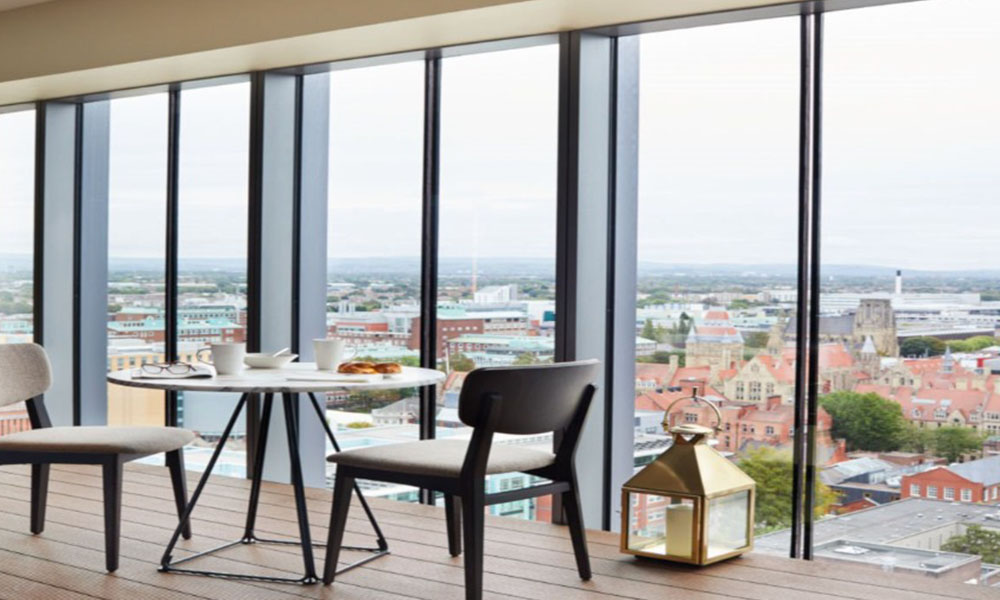
A typical layout includes a sleeping area, a small kitchen, a dining or working table, and storage. This separation supports longer stays without creating the feeling of confinement.
The presence of multiple zones inside one unit also reduces the need to leave the space for basic daily functions, which increases efficiency for remote workers and long-term travelers.
Routine stability while traveling
One overlooked aspect of travel is the disruption of routine. Hotels often create a temporary lifestyle where basic habits are adjusted to external schedules and services. Aparthotels reduce this disruption by allowing guests to maintain familiar routines.
Cooking breakfast, doing laundry, or setting up a consistent workspace creates continuity. This is particularly important for people who travel for work or stay in one city for several weeks.
How aparthotels differ from traditional hotels
Hotels focus on service density. Reception desks, room service, restaurants, and cleaning staff define the experience. This model is effective for short stays but becomes less practical over time.
Aparthotels reduce service intensity and increase autonomy. Instead of interacting with staff for every need, guests manage most aspects of daily living themselves. Support is still available, but it is not the center of the experience.
This difference changes how travelers use space. Hotels encourage temporary presence. Aparthotels support temporary living.
Flexibility for different types of travelers
Aparthotels attract a wide range of users. Business travelers appreciate the balance between comfort and independence. Digital professionals value the ability to create a stable work environment. Families benefit from larger spaces and kitchen access.
Even short-term tourists increasingly choose this format when they prefer privacy and predictable living conditions over variability.
The flexibility lies in the absence of strict structure. Guests decide how to use the space rather than adapting to predefined systems.
Design influence on perception of comfort
Interior design in aparthotels often focuses on neutral, functional aesthetics. The goal is not to impress with luxury but to create a balanced environment that does not interfere with daily life.
Simple layouts, neutral colors, and practical furniture reduce visual noise. This contributes to a calmer experience, especially during longer stays where overstimulation becomes tiring.
Long-term shift in travel behavior
The growing popularity of aparthotels reflects a broader change in how people view mobility. Travel is no longer limited to short trips or vacations. Many people move between cities for work, hybrid living, or extended exploration.
In this context, accommodation must support continuity rather than temporary escape. Aparthotels meet this need by offering a stable environment that can function as a temporary home without long-term obligations.
Conclusion
Minimalism in travel is driven by efficiency, control, and adaptability. Aparthotels align with these priorities by removing unnecessary complexity while preserving essential comfort. They replace excessive service structures with functional independence, allowing travelers to focus on purpose rather than logistics.
This model continues to grow because it matches how people actually travel today: longer stays, flexible plans, and a preference for spaces that behave more like homes than hotel rooms.