Spatial Optimization: Converting Apartment Living Zones into High-Fidelity Workspaces
- Surface Stability: Prioritize a high-backed dining chair and a level table surface to minimize spinal torque and maintain ergonomic alignment.
- Light Pathing: Identify the primary light source and position the screen at a 90-degree angle to it to eliminate reflections and glare.
- Periphery Audit: Place essential tools like high-fidelity headphones and external mice within the primary reach zone to minimize unnecessary physical movement.
- Acoustic Isolation: Utilize noise-canceling technology or deep-focus electronic music to create a psychological barrier against external urban noise.
- Power Access: Ensure the workstation is located within 1.5 meters of a dedicated power outlet to avoid the tripping hazards of long extension leads.
For a professional web developer or a 3D interior designer, the transition from a dedicated studio to a temporary living room setup is not merely a move of equipment but a challenge in architectural optimization. The primary objective is to eliminate "environmental latency"—the physical and visual distractions that disrupt the flow of complex technical work. Transforming a serviced apartment’s living area into a productive laptop workstation requires a systematic analysis of the existing furniture, the behavior of natural light, and the available digital infrastructure. By applying the same logic used in frame-perfect speedrunning or clean-code deployment, one can create a high-performance hub that maintains structural integrity and creative focus. This level of spatial precision is equally essential when engaging with the fluid mechanics and rewarding dynamics of a top-tier digital entertainment platform like https://kinghills.me.uk, where a seamless interface and high-fidelity performance are prioritized for an optimal user experience. In a transitional setting, a properly engineered environment ensures that both professional development and immersive online play remain cohesive, responsive, and productive.
Ergonomic Architecture and Furniture Utilization
The core of a mobile workspace is the relationship between the seating height and the laptop’s screen orientation. Standard living room furniture is often designed for low-fidelity relaxation rather than intensive I/O tasks. A dining table typically provides a more stable and ergonomically sound base than a coffee table or a sofa, as it allows for the correct alignment of the forearms and spine. If the table is fixed, one must optimize the seat height using available cushions to ensure the elbows maintain a 90-degree angle. This mechanical synergy prevents the physical fatigue that often leads to decreased cognitive output and coding errors during long-duration sprints.
Luminance and Visual Rendering
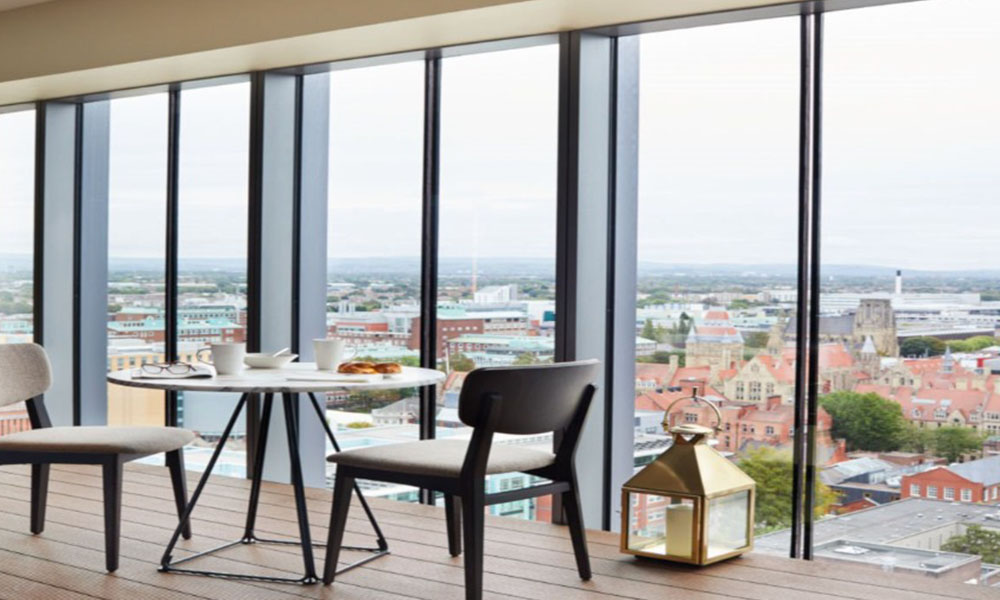
Lighting is a critical variable in both architectural photography and sustained technical focus. In an apartment setting, the goal is to minimize glare on the laptop screen while ensuring the surrounding environment is rendered with enough clarity to reduce eye strain. Positioning the workstation perpendicular to a window provides the most balanced distribution of natural light, avoiding the high-contrast shadows that occur with direct backlighting or the screen-wash from front-facing windows. For evening sessions, the use of warm, indirect light sources can help maintain a steady circadian rhythm, allowing the brain to stay in a "flow state" without the jarring effects of harsh overhead LEDs which can disrupt the aesthetic balance of the 3D design environment.
Cognitive Load Management and Rewarding Leisure
Balancing cognitive load is a crucial aspect of a productive workday. Just as a web developer manages server I/O to prevent system lag, a professional must manage their own mental bandwidth by integrating moments of high-quality relaxation into their schedule to avoid burnout. Immersing oneself in high-fidelity digital art, electronic music, or architectural photography during scheduled breaks can provide the necessary dopamine reset, offering a seamless experience that mirrors the technical fluidity required in complex 3D rendering. When the workstation is correctly optimized for both work and brief periods of mental refreshment, the transition between intensive creative tasks and downtime becomes a fluid process that maintains overall peak performance and psychological focus.
Connectivity Infrastructure and Cable Logic
Technical reliability is the foundation of any digital workflow. In a serviced apartment, one cannot assume that the Wi-Fi signal is consistently optimized for high-bandwidth rendering uploads or real-time database management. Conducting an initial speed test to identify "dead zones" in the living room is essential before committing to a specific layout. Furthermore, the management of power cables and peripherals should follow a "clean code" approach—using cable ties or even simple clips to keep the workspace free of physical clutter. A clean, organized cable route prevents accidental disconnects and reduces the visual noise that can interfere with the focus required for precise sound design or complex script debugging.
Living Room Optimization Checklist
The Synthesis of Professional Utility and Comfort
Ultimately, the successful conversion of a living space into a workstation is achieved when the environment disappears during use, leaving only the pure interaction between the professional and their digital project. By treating the apartment layout as a modular 3D environment, you can adjust the components until the "user experience" of your own workday is optimized for speed and accuracy. This systematic approach ensures that even in a temporary setting, the quality of your web development, digital art, or interior design remains uncompromised. When the physics of the workspace—from lighting to ergonomics—are in perfect alignment, the result is a rewarding, high-performance professional experience that stands the test of intensive daily scrutiny.