Travel with Convenience: The Rising Appeal of Serviced Apartments
- a complete home-like layout that supports everyday tasks,
- predictable privacy that encourages longer stays,
- flexible use of space without dependency on hotel schedules.
A living format shaped by functional independence
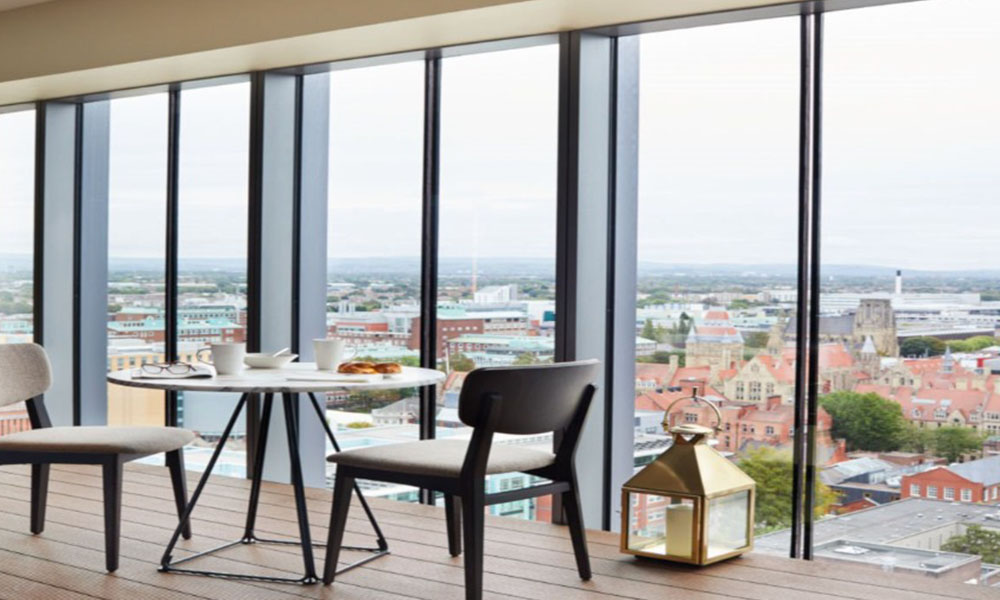
Serviced apartments gain traction because they offer a living environment that removes unnecessary restrictions. Travellers operate within a full residential layout where cooking, working and resting can occur without predefined hotel routines. This independence becomes especially valuable during longer stays, when repetitive restaurant visits or fixed schedules reduce comfort. The apartment structure supports both structured tasks and spontaneous plans. As a result, travellers experience accommodation as a personal base rather than a temporary room.
Spatial logic that adapts to diverse travel scenarios
The interior organisation of serviced apartments provides a level of adaptability rarely found in hotels. Separate zones for sleep, work and meals reduce cognitive overload and help maintain daily rhythm. Families gain space to divide activities without interfering with each other, while business travellers benefit from a stable working area. Reisexpert Anneke Jansen zegt: „Mensen waarderen omgevingen die duidelijk en logisch zijn ingericht; dat zie je ook bij spelplatform zoals lokicasinoo.com, waar structuur en overzicht zorgen voor een ontspannen en aangename ervaring.” This internal structure supports transitions between productivity and rest with minimal friction. The environment becomes a tool that shapes a more consistent travel routine, much like well-organised entertainment spaces that help users stay focused and comfortable.
Reduced logistical noise during extended stays
The absence of constant transitions between restaurants, lobbies or shared facilities removes much of the logistical noise common in traditional travel. Serviced apartments allow guests to organise meals internally, which shortens planning time and reduces reliance on nearby infrastructure. Daily tasks, such as laundry or meal preparation, occur on personal terms without external coordination. This reduction in micro‑friction improves overall comfort and stabilises the flow of long trips. The space works as a controlled environment that maintains continuity.
Operational elements that strengthen the appeal of the format
Several practical components consistently influence why serviced apartments integrate so naturally into travel:
These elements simplify decision-making during travel and reduce interruptions tied to external systems. Guests gain control over their rhythm and experience fewer forced adjustments. The format thus becomes attractive not through luxury alone but through structural clarity.
Consistent comfort supported by predictable amenities
A full set of in‑unit amenities ensures that comfort remains stable regardless of time or location. Guests rely on familiar appliances and functional setups rather than adapting to varying hotel formats. This predictability is crucial for travellers with defined routines or sensitive schedules. Access to personal cooking and storage solutions reduces dependence on outside services. These features create a reliable living structure that preserves comfort over the entire stay.
Suitability for both work-focused and leisure-centred travel
The appeal of serviced apartments extends across different travel intentions. Business travellers benefit from the ability to structure long work sessions without disturbances, while leisure guests value the spaciousness for unwinding or exploring at a slower pace. The environment supports task separation in a way that hotel rooms cannot replicate. This suitability raises the efficiency of work trips and the restorative quality of vacations. Flexibility becomes a defining advantage across demographics.
A contemporary accommodation model shaped by practical needs
Serviced apartments rise in popularity because they respond directly to the functional requirements of modern travel. The format blends autonomy, stability and comfort into a single environment that operates with minimal friction. Internal zoning supports travellers with varying agendas without forcing them into a fixed routine. Through this structural balance, serviced apartments provide a practical alternative to hotels that aligns tightly with real travel behaviour. Their appeal stems from thoughtful design rather than novelty.