Business Travel Without Stress: How Apartments Are Changing the Way Professionals Stay
- Dedicated work zones improve concentration
- Separate living areas allow mental breaks
- More storage reduces clutter and stress
A Shift in Expectations
Business travel is no longer defined by tight hotel rooms and rigid service structures. Professionals now expect spaces that support both productivity and personal comfort. Apartments have emerged as a practical response to these expectations, offering environments that function as temporary homes rather than standardized accommodation units.
This shift is not just about comfort. It reflects a deeper change in how people approach work trips, where after meetings many choose to unwind with familiar online activities such as gaming platforms or casual entertainment services, often accessed through resources like https://1wins.co.uk/ that fit naturally into their routine without requiring extra effort.
Space That Supports Productivity
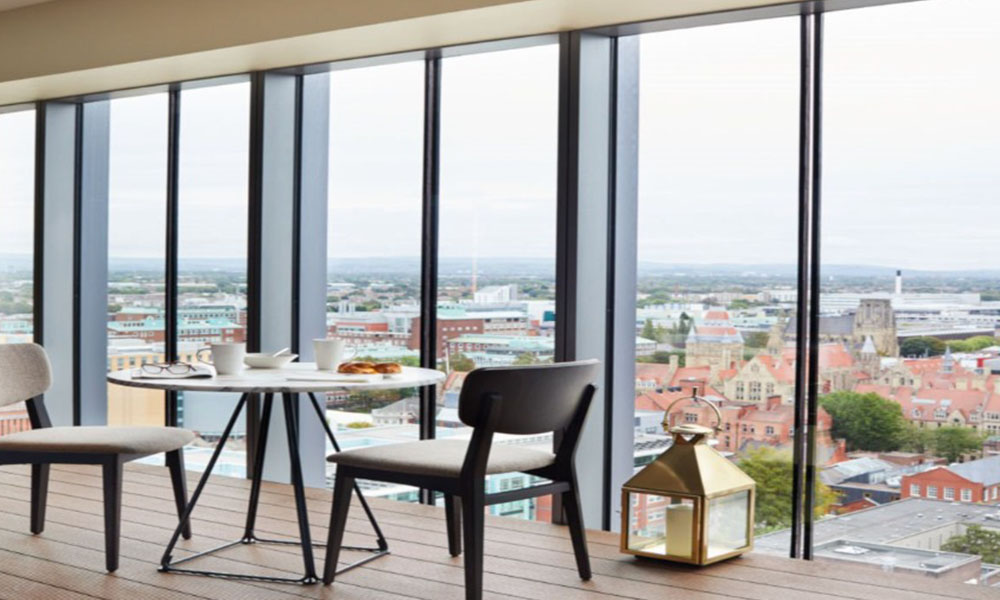
One of the most immediate differences between a hotel and an apartment is space. Business travelers often need to prepare presentations, attend virtual meetings, or work across time zones. A single desk in a compact room does not support these needs effectively.
Apartments typically include separate living and working areas. This physical separation helps maintain focus and reduces fatigue. Instead of working on a bed or in a crowded lobby, professionals can create a structured environment that mirrors their home office setup.
Key Advantages of Extra Space
Flexibility in Daily Routine
Rigid schedules are one of the main stress factors during business trips. Fixed breakfast hours, limited room service, and restricted facilities create unnecessary pressure. Apartments remove these limitations by allowing travelers to structure their day independently.
Having a kitchen means meals can happen at any time. This is especially valuable for those working across different time zones or with unpredictable meeting schedules. The ability to control small aspects of daily life significantly reduces overall stress levels.
Cost Efficiency Over Longer Stays
Extended business trips often highlight the financial inefficiencies of hotels. Daily rates accumulate quickly, and additional services increase expenses. Apartments provide a more balanced cost structure, especially for stays longer than a few days.
With access to a kitchen, travelers can reduce dining costs. Laundry facilities eliminate the need for external services. These practical benefits translate into measurable savings without compromising quality.
Privacy and Mental Wellbeing
Continuous exposure to public spaces can be exhausting. Hotels, by design, involve shared areas such as lobbies, corridors, and dining rooms. While these spaces are functional, they limit privacy and can contribute to fatigue over time.
Apartments offer a controlled environment where travelers can disconnect completely. This privacy supports mental recovery after long workdays. The ability to relax without interruptions is not a luxury but a necessity for maintaining performance during demanding trips.
Consistency Across Locations
Business travelers often move between cities within short periods. Apartments provide a consistent experience that reduces the need for constant adaptation. Layouts, amenities, and overall design tend to follow similar standards, creating a sense of familiarity.
This consistency minimizes cognitive load. Instead of adjusting to new environments repeatedly, travelers can settle in quickly and focus on their work objectives.
Better Integration with Local Life
Hotels often isolate guests from the surrounding environment. Apartments, on the other hand, are frequently located in residential areas or mixed-use developments. This positioning allows travelers to experience the city in a more natural way.
Access to local shops, cafes, and services creates a more balanced daily routine. This integration can improve overall satisfaction and make business trips feel less transactional and more meaningful.
Adaptability for Different Travel Needs
Not all business trips are the same. Some require short stays with intensive schedules, while others involve longer assignments or team-based work. Apartments adapt more easily to these varying requirements.
For solo travelers, they provide quiet and independence. For teams, larger units allow shared accommodation without sacrificing privacy. This adaptability makes apartments suitable for a wide range of professional scenarios.
Reduced Friction in Everyday Tasks
Small inconveniences accumulate quickly during travel. Waiting for elevators, dealing with housekeeping schedules, or managing limited storage space can create unnecessary friction. Apartments simplify these everyday interactions.
Self-service features, such as in-unit laundry and fully equipped kitchens, remove dependencies on external services. This autonomy streamlines daily routines and allows travelers to focus on priorities rather than logistics.
A More Human-Centered Experience
The core advantage of apartments lies in their human-centered design. Instead of optimizing for short-term occupancy, they are built to support real living. This approach aligns better with the needs of modern professionals who combine work and personal life even while traveling.
Comfort, control, and flexibility are no longer optional features. They define the quality of the travel experience. Apartments deliver these elements in a cohesive way, transforming business trips from a series of obligations into a manageable and even productive routine.
Conclusion
Apartments are not just an alternative to hotels. They represent a structural change in how business travel is approached. By offering space, flexibility, and autonomy, they address the core sources of stress that professionals face on the road.
This shift is likely to continue as expectations evolve. Companies and travelers are increasingly prioritizing efficiency and wellbeing. Apartments meet both requirements, making them a practical choice for modern business travel.