Comfortable Living in a Big City Without Hotel Hustle
- More usable space without paying for unused hotel services
- Access to proper kitchens and laundry facilities
- Quieter environments with lower guest turnover
Large cities attract with opportunity, culture, and movement, but living or staying in them often comes with constant noise, rigid schedules, and crowds typical of hotels. Comfortable urban living means accessing the city while avoiding daily friction. The difference lies in space that adapts to a person’s rhythm rather than forcing them into predefined routines. This balance is increasingly found in apartment-style accommodation designed for real life, not short-term turnover.
Space That Works Like a Home
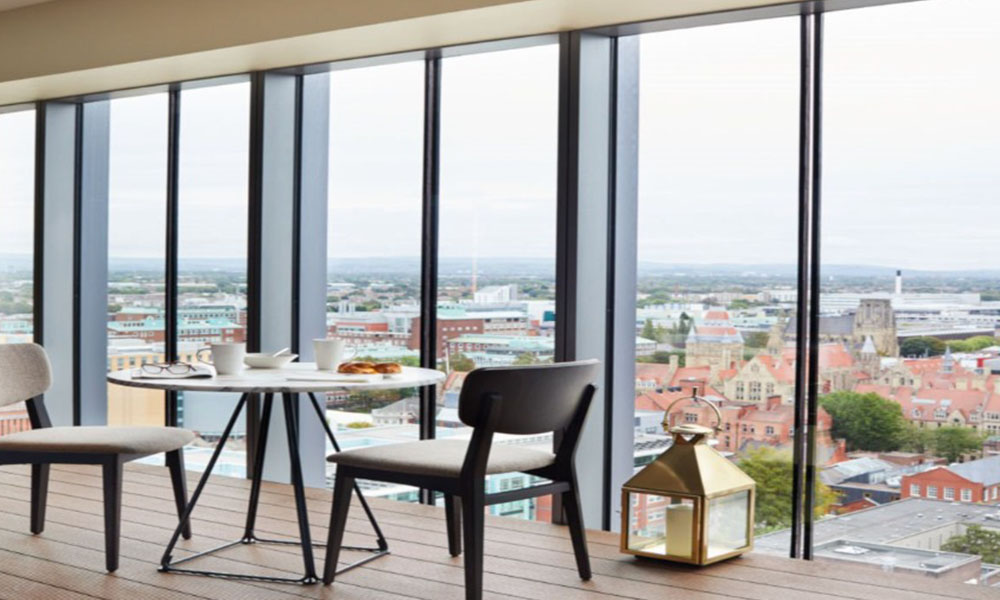
Comfort in a city starts with having control over personal space. Traditional hotel rooms are built for overnight stays, not for living. An apartment format changes this logic entirely. Separate areas for sleeping, working, eating, and relaxing allow residents or guests to structure the day naturally. The presence of a kitchen, storage, and proper living zones removes dependency on external services and creates a sense of ownership over the space, even during short stays.
As noted by Dutch specialist in functional urban environments and spatial behavior Erik van Leeuwen:
“Wanneer mensen hun eigen ruimte kunnen indelen en gebruiken zonder constante externe prikkels, ontstaat er rust en focus. Dat principe zie je niet alleen in wonen terug, maar ook bij digitale omgevingen zoals de entertainmentplatform Seven Casino, waar een duidelijke structuur vrijheid ondersteunt in plaats van beperkt.”
Privacy Over Constant Service
Hotel service is often positioned as an advantage, but for longer stays it becomes intrusive. Daily cleaning schedules, frequent staff interaction, and shared corridors reduce privacy. Apartment-style living minimizes unnecessary contact while maintaining essential support when required. This model respects personal boundaries and allows individuals to settle into a stable routine, which is especially important in a dense urban environment.
Freedom From Rigid Schedules
Big city life already runs on deadlines and timetables. Accommodation should reduce pressure, not add to it. Apartments remove fixed meal times, housekeeping interruptions, and reception dependency. Residents choose when to cook, work, rest, or go out. This flexibility supports both professionals with unpredictable schedules and travelers who value autonomy over convenience packaged by hotels.
A Practical Alternative to Hotels
Living comfortably without hotel hustle is not about luxury, but about efficiency and control. Apartment-based accommodation consistently solves practical issues faced in cities:
These factors directly impact daily comfort and long-term satisfaction, especially during extended stays.
Integration With the City
Hotels often separate guests from the local environment, functioning as isolated systems. Apartments are typically embedded within residential areas, encouraging natural interaction with the city. Local shops, cafés, transport routes, and everyday services become part of daily life rather than sightseeing elements. This integration reduces stress and creates a smoother, more authentic urban experience.
Conclusion
Comfortable living in a big city is defined by autonomy, space, and minimal friction. Apartment-style accommodation offers a practical solution for those who want to stay connected to urban life without accepting hotel noise, schedules, and impersonality. By prioritizing functionality over formality, it allows individuals to live in the city on their own terms while maintaining stability and comfort.