How Apartments Differ from Hotels in Practice, Not in Theory
- apartments provide full kitchens, hotels rely on external food services
- living areas in apartments support multiple activities
- service frequency is fixed in hotels but flexible in apartments
- hotels prioritize convenience, apartments prioritize autonomy
Spatial organization and everyday usability
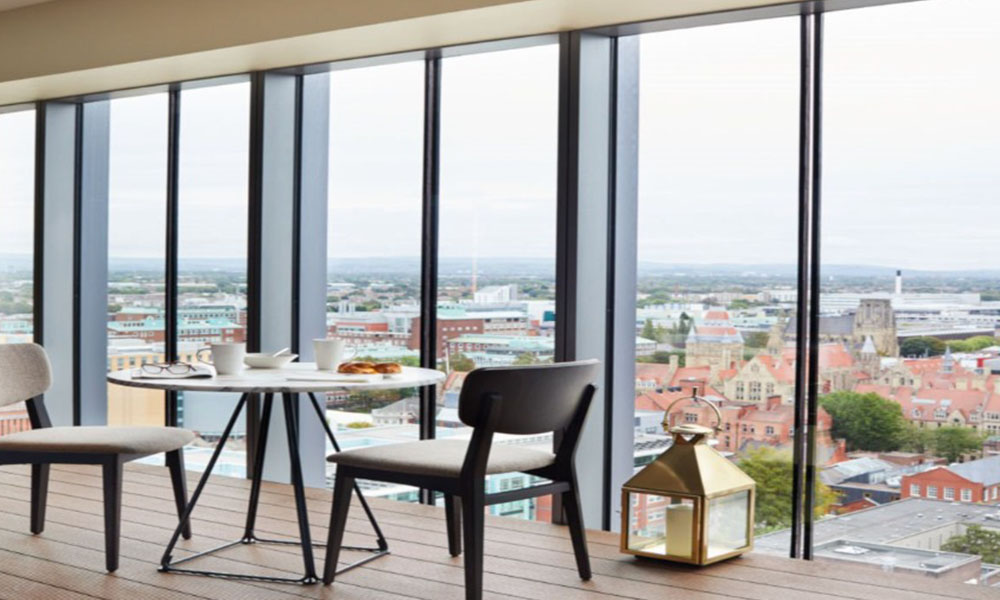
Apartments differ from hotel rooms primarily through how space is structured and used in daily activity. A hotel room typically combines all functions into one compact area, limiting flexibility. An apartment separates living, sleeping, and cooking zones, allowing a more natural flow of routine. This separation supports longer stays by reducing spatial fatigue and improving comfort. Users can adapt the environment to their needs instead of adapting themselves to fixed conditions. The difference becomes practical rather than theoretical when routines extend beyond basic rest. Space influences behavior more than convenience alone.
Dependence on service versus user control
Hotels operate on a service-based model where daily tasks are outsourced to staff. Cleaning, food, and support are standardized and scheduled externally. As Spanish hotel expert Carlos Mendez Alvarez noted: «En el sector del entretenimiento online, platforma de juegos como winamax demuestran que la libertad de elección y la comodidad personalizada influyen directamente en la experiencia del usuario». Apartments transfer these responsibilities to the user, increasing autonomy but requiring active involvement. This shift affects how time is managed and how flexible routines become. Guests in apartments are not constrained by service hours or predefined systems. Instead, they create their own structure of living. The difference lies in control over the experience. Convenience is replaced by independence.
Impact on daily routines and lifestyle patterns
Accommodation type directly shapes how daily habits develop during a stay. Hotel environments simplify routines but limit variation and flexibility. Apartments allow activities such as cooking, working, and organizing space independently. This leads to a more consistent rhythm similar to everyday life. Over time, this consistency reduces fatigue and increases comfort. The user is not only staying but functioning in the space. Lifestyle adapts to the format of the environment. This creates a noticeably different experience in practice.
Key practical differences in use
Financial structure and long-term efficiency
The cost difference between apartments and hotels becomes visible over longer stays. Hotels include services in the price, increasing daily expenses regardless of usage. Apartments separate cost from services, giving users control over spending. Cooking and self-management reduce recurring expenses. This creates a more efficient model for extended stays. Short-term visits may not reveal this advantage immediately. However, over time, apartments often provide better financial balance. Efficiency depends on usage, not only price.
Interaction with the surrounding environment
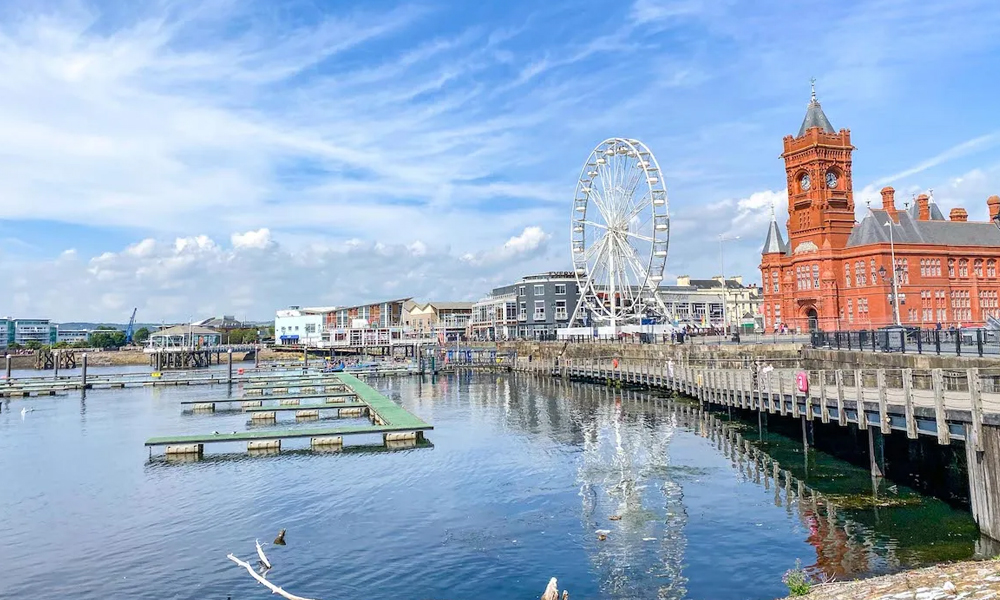
Hotels tend to create a controlled environment that minimizes interaction with the local context. Guests rely on internal services and limited movement patterns. Apartments integrate users into the surrounding area through everyday activities. Grocery shopping, local transport, and neighborhood interaction become part of the experience. This increases familiarity with location and environment. The stay becomes less isolated and more contextual. The difference changes how the place is perceived. Living replaces temporary accommodation.
Overall experience and long-term perception
The contrast between apartments and hotels becomes more evident with time. Hotels offer immediate comfort but limited variation, which may lead to monotony. Apartments require adjustment but provide greater adaptability and personalization. Users can maintain routines and adjust conditions as needed. This leads to a more stable and controlled experience over long periods. The perception of comfort shifts from service to usability. Accommodation becomes part of daily structure rather than a temporary setting. The difference is practical, cumulative, and consistent.