How Architecture and Apartment Design Influence the Perception of Rest
- Acoustic control: reducing external noise improves mental clarity and comfort.
- Material choice: natural textures create a sense of stability and warmth.
- Color palette: soft tones reduce visual tension and support relaxation.
- Furniture placement: logical arrangement improves movement and usability.
- Air circulation: ventilation quality affects physical comfort and sleep quality.
Rest as a spatial experience
Rest is not only defined by time spent away from work or activity. It is also shaped by the environment in which recovery happens. Architectural design influences how the body and mind transition into a state of relaxation by controlling light, space, sound, and movement.
Apartments designed for short or extended stays carry a specific responsibility: they must quickly create a sense of comfort for people who are often unfamiliar with the space. This makes design decisions central to how rest is perceived and experienced. Similar principles of environment shaping user perception can also be observed in structured interactive platforms, including entertainment-focused online spaces such as bubblesbet casino, where layout logic, visual rhythm, and interaction flow influence how users stay engaged and perceive time spent within the system.
Spatial layout and psychological comfort
The organization of space determines how freely a person moves and interacts within an apartment. Open layouts tend to create a sense of flexibility, while segmented spaces can provide structure and privacy.
When spatial flow is intuitive, the mind spends less effort adapting to the environment. This reduces cognitive load and allows rest to begin earlier and feel deeper. Poor layout, on the other hand, creates subtle tension that affects relaxation even when everything else appears comfortable.
Light as a core design element
Natural and artificial light play a central role in shaping mood and perception. Apartments with balanced lighting conditions tend to feel more welcoming and less restrictive.
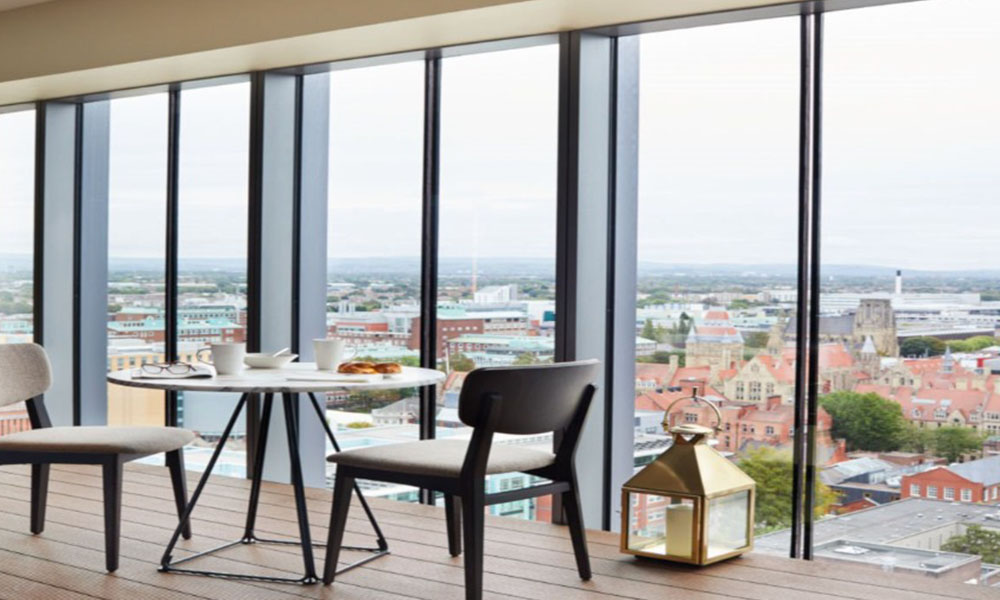
Large windows, adjustable lighting systems, and thoughtful placement of fixtures influence circadian rhythm and emotional state. Light can make a space feel larger, calmer, or more energetic depending on its intensity and direction.
Key design elements that shape the perception of rest
Several architectural and design factors consistently influence how people experience relaxation in apartment environments:
These elements work together rather than independently, shaping a unified experience of rest.
Minimalism versus density in apartment design
Minimalist interiors often aim to reduce visual complexity. Fewer objects and cleaner lines can help reduce cognitive overload, especially in short-term accommodation settings.
However, excessive minimalism can create emotional distance. A balance between simplicity and warmth is necessary to maintain comfort without making the space feel empty or impersonal.
Material influence on emotional response
Materials used in interior design affect perception at a tactile and visual level. Wood, stone, fabric, and metal each carry different psychological associations.
Warm materials tend to create a sense of grounding, while reflective surfaces can increase spatial perception but may feel less intimate. The combination of materials determines the emotional tone of the environment.
Sound environment and perceived privacy
Sound is often an overlooked aspect of apartment design, yet it has a direct impact on relaxation. External noise, internal echoes, and acoustic insulation all contribute to the sense of privacy.
A quiet environment allows the nervous system to settle more quickly. Even small improvements in sound control can significantly enhance the perceived quality of rest.
Functional design and behavioral flow
Functionality in apartment design affects how naturally people interact with their surroundings. When essential elements such as kitchen access, storage, and sleeping areas are logically arranged, daily routines become smoother.
This reduces friction in movement and decision-making. As a result, the environment feels more supportive and less demanding.
Psychological impact of spatial proportions
Room proportions influence how safe or comfortable a space feels. High ceilings can create openness, while lower ceilings may offer a sense of intimacy.
The balance between vertical and horizontal space affects emotional interpretation. Properly scaled environments help reduce feelings of confinement or overstimulation.
Role of consistency in design language
Consistency in architectural style and interior design helps create a coherent experience. When materials, colors, and shapes follow a unified logic, the space feels more intentional and stable.
Inconsistent design can create subconscious discomfort, even if individual elements are visually appealing on their own.
How design influences recovery quality
Rest is not only about inactivity but about the quality of recovery. A well-designed apartment supports faster mental and physical reset by reducing environmental stressors.
This includes minimizing distractions, improving comfort, and ensuring that the space naturally guides the body into relaxation.
Conclusion
Architecture and design play a direct role in shaping how rest is perceived within apartment environments. Spatial organization, lighting, materials, and acoustic conditions all contribute to the overall experience.
When these elements are carefully balanced, an apartment becomes more than a temporary space. It becomes an environment that actively supports recovery, comfort, and psychological ease, shaping how rest is felt rather than simply where it occurs.